
23 February 2026
Five reasons why clean flex is better than gas
As Europe accelerates its shift from fossil fuels to low-cost renewable energy [include Ember data], one thing is becoming increasingly clear: to fully unlock all the benefits of the energy transition, renewables and clean flexibility must go hand in hand. But to build a resilient, affordable and secure power system, we need much more clean flexibility that can integrate surging renewable energy generation.
But what is clean flexibility, and why is it better than relying on fossil gas?
Electricity systems must constantly balance supply and demand. Every second of every day, the grid adjusts to changes in weather, consumption patterns and unexpected disruptions. Historically, fossil gas plants have provided this flexibility. They could ramp power generation up or down when needed. But in a fossil-free, renewable-based system, flexibility must also be fossil-free.
Clean flexibility includes mature technologies such as batteries and pumped hydro storage, as well as emerging solutions like smart EV charging, demand response, long-duration energy storage, interconnectors and digital grid management tools. These solutions operate across generation, transmission and distribution levels to ensure the system remains stable and reliable.
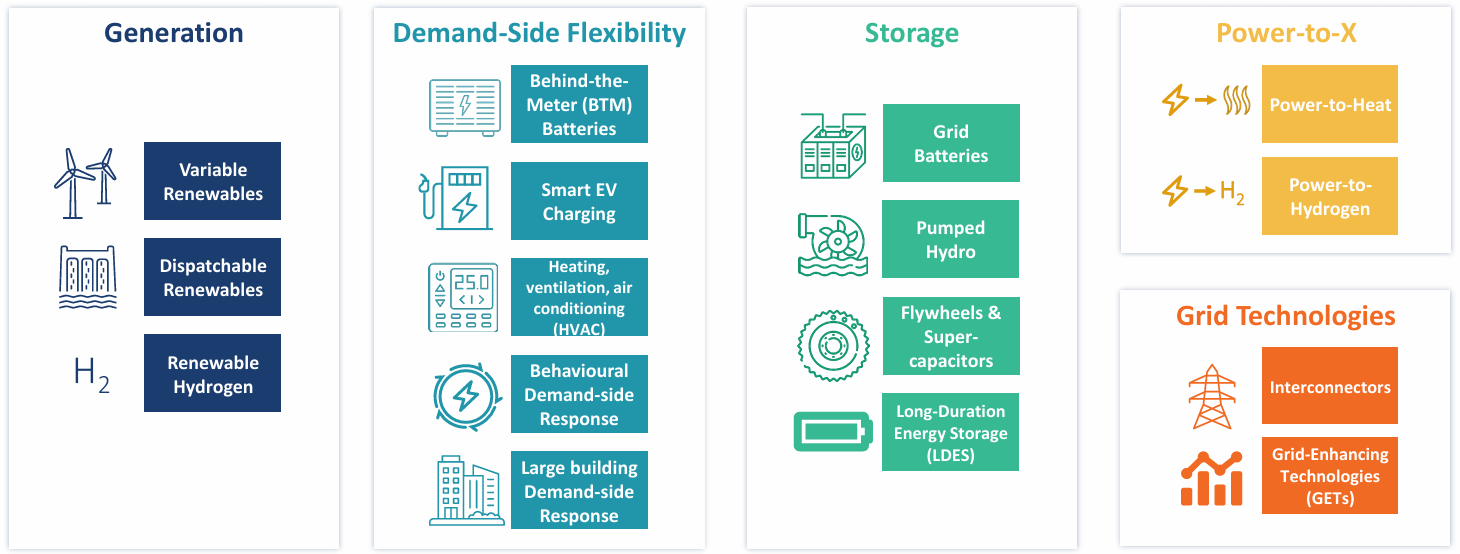
The Brattle Group, “Clean Flexibility: Opportunities in Europe” [add link]
But no single technology can do everything. A resilient power system relies on deploying the right mix of solutions at the right time.
When the wind doesn’t blow for days, when solar production exceeds demand for weeks, or when seasonal shifts change consumption patterns, the system must adapt across timescales, from second-by-second balancing to storing summer solar energy for winter use.
And increasingly, it already does. Clean flexibility is proving that reliable power systems can operate without fossil gas, as shown in a report commissioned by Beyond Fossil Fuels from the Brattle Group. Now, Europe needs more of it, and fast.
But why is the perfect match of renewables and clean flexibility better than fossil gas?
1. Clean flexibility allows renewables to thrive and avoids waste
Europe has built renewable electricity capacity at impressive speed. But without sufficient flexibility and grid infrastructure, much of that clean electricity goes to waste.
In 2024 alone, grid bottlenecks in just seven EU countries led to an estimated €7.2 billion worth of curtailed renewable electricity. Looking ahead, without additional balancing technologies, between 50 and 131 TWh of renewable power could be curtailed annually by 2030, equivalent to the yearly electricity consumption of Portugal and Sweden combined.
In other words, Europe is already throwing away billions of euros’ worth of cheap, homegrown energy because the system cannot adapt fast enough.
Transmission upgrades, storage solutions and demand-side flexibility reduce curtailment and ensure renewable energy is used efficiently. When deployed together, renewables and clean flexibility form the ultimate power couple, enabling a system that is cleaner, cheaper and smarter.
“Our report has shown that clean flexibility can fill the legacy role of gas in the power system by helping balance the grid without producing carbon emissions. Enabling clean flexibility is not only about technological innovation or fast deployment, it also requires coordinated planning, reliable implementation, data and accurate reporting, as well as market and regulatory alignment with a long-term view of future power system needs”, says Andrew W. Thompson from The Brattle Group.
2. Clean flexibility pays off: lower system costs and lower bills
Clean flexibility is not just good for the climate, it makes economic sense. In the UK alone, flexibility solutions reduced electricity bills by £300 million in 2024. Across Europe, demand-side flexibility could save up to €300 billion per year by 2030.
These savings stem from avoiding unnecessary infrastructure, reducing renewable curtailment and lowering reliance on expensive fossil gas. Gas dependence has proven costly, and consumers have been footing the bill. During the 2021–2022 energy crisis, surging gas prices drove a tenfold increase in electricity prices. According to the Ember’s 2026 European Electricity Review, the EU power sector’s gas import bill rose to €32 billion in 2025, 16% higher than the previous year. Price spikes during peak gas-use hours pushed up wholesale electricity prices across 21 European countries.
There is a clear alternative: storing excess wind and solar energy and scaling up clean flexibility solutions. For example, in Germany, clean flexibility can significantly lower grid expansion and operation costs, resulting in €4.8 billion in savings in 2035 alone.
At the local level, flexibility solutions also support low-income households, small and medium businesses and civil society organisations by lowering energy bills and improving resilience to outages.
3. Clean flexibility strengthens energy security
Reducing fossil gas dependence is not just about cutting emissions. It is about affordability, stability and shielding consumers from volatile global LNG markets. Clean flexibility reduces Europe’s legacy dependence on imported fossil gas and helps shield the continent from geopolitical risks and global fuel price volatility that have shaped, or rather distorted its energy system for decades.
It also enables energy-independent communities. Across Europe, energy communities using local renewable generation and flexibility models are delivering 15–60% savings on annual energy bills for participating households.
The scale of change ahead is significant. Clean flexibility capacity in Europe is expected to grow from roughly 150 GW in 2030 to more than 700 GW by 2050. To put that into perspective, 700 GW is nearly four times the entire installed capacity of gas power plants in Europe today (186 GW).
This illustrates how clean flexibility can progressively and effectively replace fossil gas in the power systems of the future.
“The main challenges of today’s power system find their answer in clean flexibility. Storage, interconnectors, smart meters and other flexibility technologies are already delivering more stable electricity bills, cleaner and more efficient energy – as well as greater consumer choice. They are also the answer to energy security through supporting more independence from fossil fuel volatility and imports. Knowing this, decision-makers cannot justify investing huge sums of money in unnecessary gas plants, when superior alternatives are already available”, says Juliet Phillips, Campaigner with Beyond Fossil Fuels.
4. A reliable grid without fossils is on the way
An increasingly diverse mix of clean flexibility options are expected to play a growing role in the evolution of power systems across Europe. To fully benefit from cheap, clean, homegrown renewables, European countries must explicitly prioritise non-fossil sources of flexibility over new gas investments.
In Western-Europe, modelling indicates that ambitious power system decarbonisation targets are achievable through the rapid uptake of clean flexibility solutions. For example, in Ireland, flexible operation of wind farms, demand-side response, interconnectors, and grid strengthening technologies, such as batteries and flywheels, are already setting the country on track for an 80% renewable powered grid by 2030.
Meanwhile, the UK’s homework is demand-side flexibility; Germany needs rapid growth in power-to hydrogen, battery storage, electric vehicle charging, and building electrification; and France should support demand-side response, batteries, expanded interconnectors, and hydropower.
Many northern European countries are already thriving and have goals to completely decarbonize their power systems. The Nordic power system can reach carbon neutrality by 2050 using primarily hydro and wind power, according to modelling. Clean flexibility will be key in achieving this goal, particularly in the form of hydropower, power-to-X, and EV smart charging.
Southern Europe’s exceptional solar and wind resources have already allowed extended periods of power system operation without fossil fuels. Modeling anticipates deploying clean flexibility in Spain and Portugal will require improvements to enable battery storage and secure greater interconnector capacity, amongst other technologies.
In Central and Eastern Europe, where countries have historically relied heavily on fossil fuels, renewables are making up a growing share of many of their energy mixes. Clean flexibility will be essential to replace gas and firm up renewable generation. For instance, in Poland, modelling indicates that wind power could meet nearly 70% of Poland’s energy needs by 2050, supported by pumped hydro and growing battery storage.
Reliability and decarbonisation are not in conflict. With the right investments, they reinforce each other.
5. Clean flexibility empowers people, communities and businesses
Flexibility is not just a technical solution, it can be a democratic one. Across Europe, businesses, cooperatives, and municipalities are showing how flexibility empowers end users. By shifting from centralised, utility-driven models toward local ownership and control of energy resources through distributed battery storage, demand side response or district heating systems, communities can reduce energy poverty, increase resilience, boost local economies and benefit from new, green job opportunities.
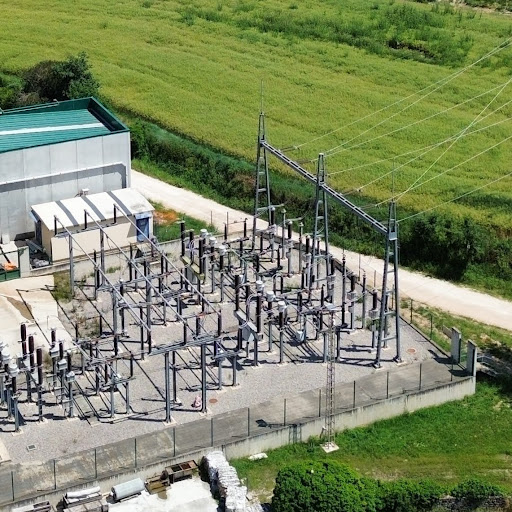
photo credit: LC Paper
In Catalonia, LC Paper, founded in 1881 and one of Europe’s few remaining 19th-century paper manufacturers, has transformed its energy model. By combining a biomass facility, a solar park and bilateral contracts with nearby small hydro plants, the company has achieved energy self-sufficiency while maintaining low-carbon production.
In Italy, energy cooperative ènostra is pioneering local flexibility projects in Rome and Milan. As Mauro Gaggiotti, Flexibility Project Coordinator, explains: ““Flexibility is not a technical field reserved for specialists, but a new space for active citizenship. What drives cooperatives to take part in pioneering local flexibility projects is the idea that end users can be the direct protagonists of this new model of grid management.”
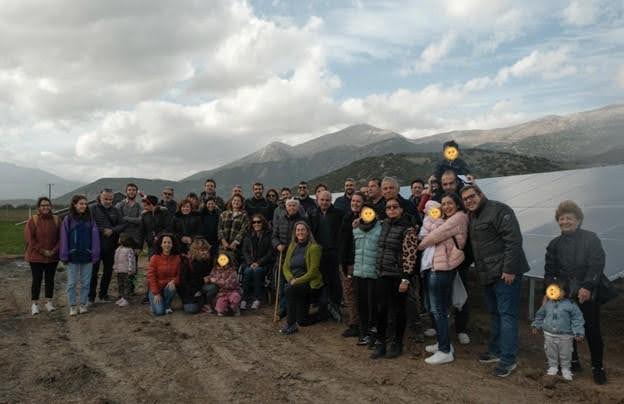
photo credit: Hyperion Energy Community
In Greece, energy cooperatives like Hyperion and CommonEn are enabling households, municipalities and businesses to participate in demand-response schemes -shifting consumption to periods of abundant solar generation, reducing bills, and stabilising the grid.

photo credit: Antalya Municipality
And in Antalya, Turkey, the municipality has become the first public building in the region to generate and store its own electricity through solar power plants equipped with battery storage. The city now operates 19 solar installations generating energy equivalent to the annual consumption of 7.521 households. As the municipality states: “By supporting Antalya’s high renewable energy potential with battery systems, we are building a climate-resilient, disaster-prepared, and energy-independent city. With our clean energy investments, we are both protecting the environment and saving money to provide better services to the public.”
Making 2026 a turning point for clean flexibility
This year will be a major year for clean flexibility. By June 2026, EU Member States will need to prepare their Flexibility Needs Assessments, which should set ambitious national targets for non-fossil flexibility that align with climate and energy goals. Beyond Fossil Fuels and Climate Action Network Europe urge grid operators and regulatory authorities to use this opportunity to unlock the full potential of clean flexibility, scaling up demand side response, batteries, long-duration energy storage and interconnection, and finally free Europe from the fossil fuel rollercoaster once and for all.
LINK to REPORT by The Brattle Group