
23 February 2026
Gas Plant Profile: Flémalle, Belgium
PROJECT: The Flémalle CCGT plant (875 MW) operates on the site of the former Les Awirs coal power plant and is considered central to the Belgian nuclear phase-out.
LOCATION: Liège, Belgium
UTILITY: Engie
STATUS: Began operations in late 2025 despite a pending legal procedure against the plant. It is Europe’s 800th operating gas plant.
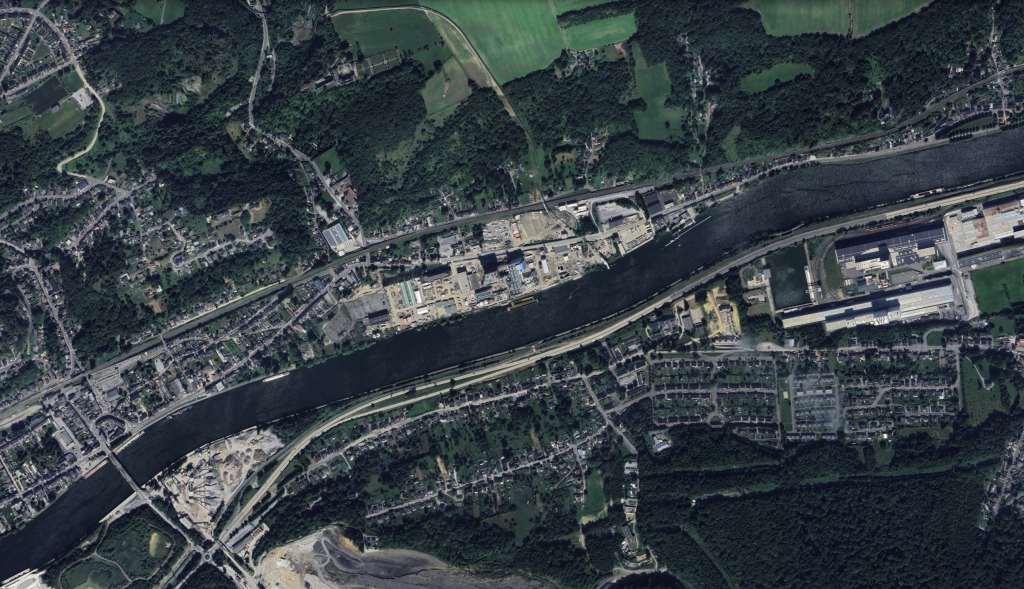
Map data: ©Google, Airbus – 2020-2025
Flémalle is the 800th operational gas-fired power plant in Europe. It is a clear sign of gas overbuild that risks locking Belgium into a cycle of import dependence and economic volatility.
Flémalle operates at the former Les Awirs coal plant site and was converted to a single 75 MW biomass unit in 2005. French utility Engie retired the biomass plant in 2020 and announced it was exploring opening a new gas plant at the site instead. Engie relied on Belgium’s newly developed Capacity Remuneration Mechanism for financing, which held the first auction in October 2021. The Flémalle gas project was one of the primary winners of this auction, securing a 15 year contract of €650 million alongside a similar project in Vilvoorde, Belgium.
In December 2021, grassroots environmental organization, Dégaze/Tegengas, started protesting Belgium’s gas plant plans and initiated a legal appeal against the licensing of the plant on climate policy grounds. The proceeding was dismissed and the plant received its permits.
In July 2023, the Flémalle site became a focal point for the climate movement when the civil disobedience coalition “Code Rouge” occupied the construction grounds, paralyzing work on the power plant for several days. 700 activists blocked access and machinery to protest the development of new fossil infrastructure, noting that the plant will “exacerbate the social and climate crisis”.
While the plant is hailed by its developers and the Belgian authorities as an indispensable guarantor of supply reliability during the energy transition, a growing body of economic analysis and civil society critique suggests that reliance on such large-scale fossil fuel infrastructure may paradoxically weaken national energy security.
The project deepens Belgium’s reliance on volatile international gas markets and potentially displaces investment in domestic flexibility solutions. Belgium doesn’t have domestic natural gas reserves. Consequently, every megawatt generated at Flémalle depends entirely on imported fuel, increasing the country’s exposure to the volatility of global gas markets. Instead Belgium should focus on increasing investments in renewable energy and clean flexibility solutions to insulate the country from volatile fossil fuels markets and deliver affordable, climate-friendly energy.