
20 April 2026
Burning money: Germany’s billion euro gas plan is doomed to fail
By Alexandru Mustata, Senior Campaigner at Beyond Fossil Fuels
During the second fossil fuel crisis in five years, Germany’s energy system is once again facing high volatility, as fossil gas market prices jumped by 40% in a month. But instead of rethinking its investments in gas, Germany has been pushing ahead in the wrong direction. After years of back-and-forth with the EU Commission over its Power Plant Strategy, the German government was forced to halve its original plan due to political, legal, and economic pressure.
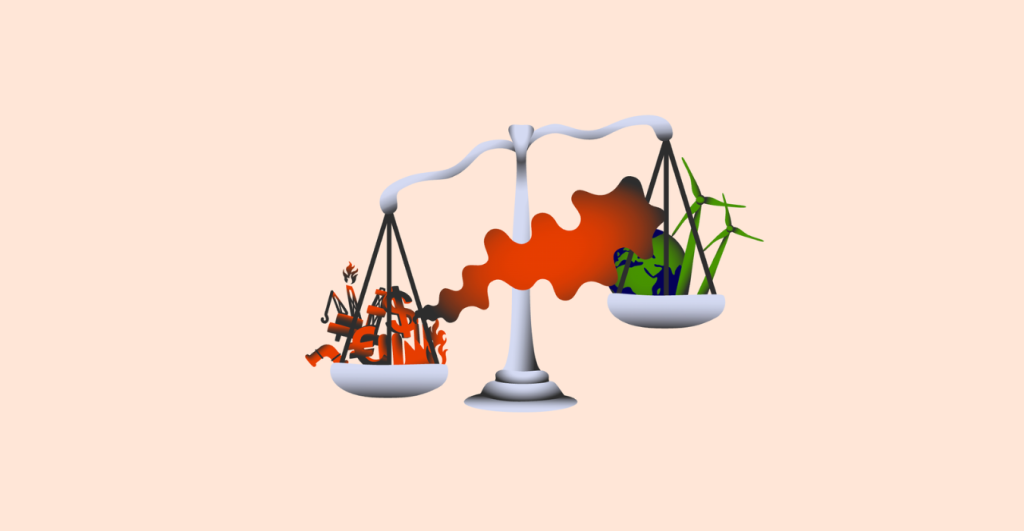
In January 2026, the German government agreed to build 12 GW of new power capacity, 10 GW of which is earmarked for gas-fired power plants. This plan still raises alarm bells. Not only would these gas plants release more greenhouse gas emissions for decades, but they would also require billions of public money in subsidies.
The cost argument is becoming harder to ignore. A gas-heavy capacity mechanism would hit households and businesses twice. First, through the direct cost of subsidies, which one study estimates at €22.2 billion if 10 GW of new gas plants were built. Second, by locking the power system into long-term exposure to volatile fossil fuel prices, as gas plants are already setting the marginal price of electricity far too often.
The economic consequences are also worrying political leaders. Just last month, energy ministers from 15 of the 16 German states signed a joint statement demanding measures from the federal government to mitigate the impacts of the energy crisis on the population and the economy. This echoes last summer’s warning from CDU faction KlimaUnion that these subsidies will be a price driver for electricity costs.
Where will all this gas come from?
The German government is relying on long-term deals with countries like the US and expanding its already significant import dependency, which makes up 95% of its gas supply. In 2025, that meant almost €25 billion spent on imports. The country is already one of the world’s ten largest gas importers.
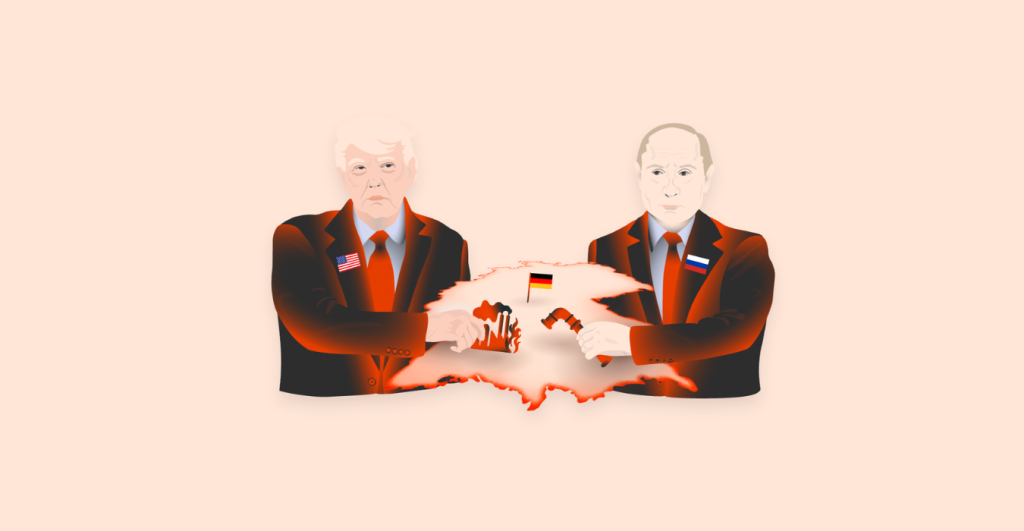
This is not only a climate problem. It also jeopardises economic security. Every euro spent propping up new gas capacity is a euro not spent on making Germany more resilient to the next fossil fuel price shock. Germany does not have money to burn nor time to waste. The country is going all in on gas in a moment when it’s clear that Europe would be stronger, more secure, and more affordable by cutting this gas dependence and prioritising renewable energy and clean flexibility solutions.
The federal government and parliament should abandon plans to subsidise new gas plants and invest in the solutions that make the power system shock-proof: homegrown wind and solar, storage, demand-side flexibility, grid expansion and the electrification of the economy, especially sectors like transport and heating.
Residential heat pump installations in Germany from 2022 to 2025 already helped the country save €1.3 billion on LNG imports. By 2035, clean flexibility could displace enough fossil fuel generation in Germany to save €5.4 billion in costs. It can also significantly lower grid expansion and operation costs resulting in €4.8 billion in savings in 2035.
If the federal government is serious about protecting households and industry from the next energy crisis, it should stop subsidising its way into deeper fossil dependency, and start building an energy system that is resilient to fossil fuel shocks. People want this too: more than two thirds of citizens want greater independence from energy imports through increased expansion of renewables, and 57% see fossil fuel dependence as a direct threat to national security.
Germany’s gas Power Plant Strategy remains a political rollercoaster and fails to secure access to affordable energy in times of crisis. As long as the government continues to fund excessive gas infrastructure with public money instead of investing in renewable energy and clean flexibility solutions, consumers will pay the price twice over..
Learn more about Germany’s risky fossil gas strategy here: https://gemeinsamgegengas.de/